
 Pallet
Pumice Flue Liners
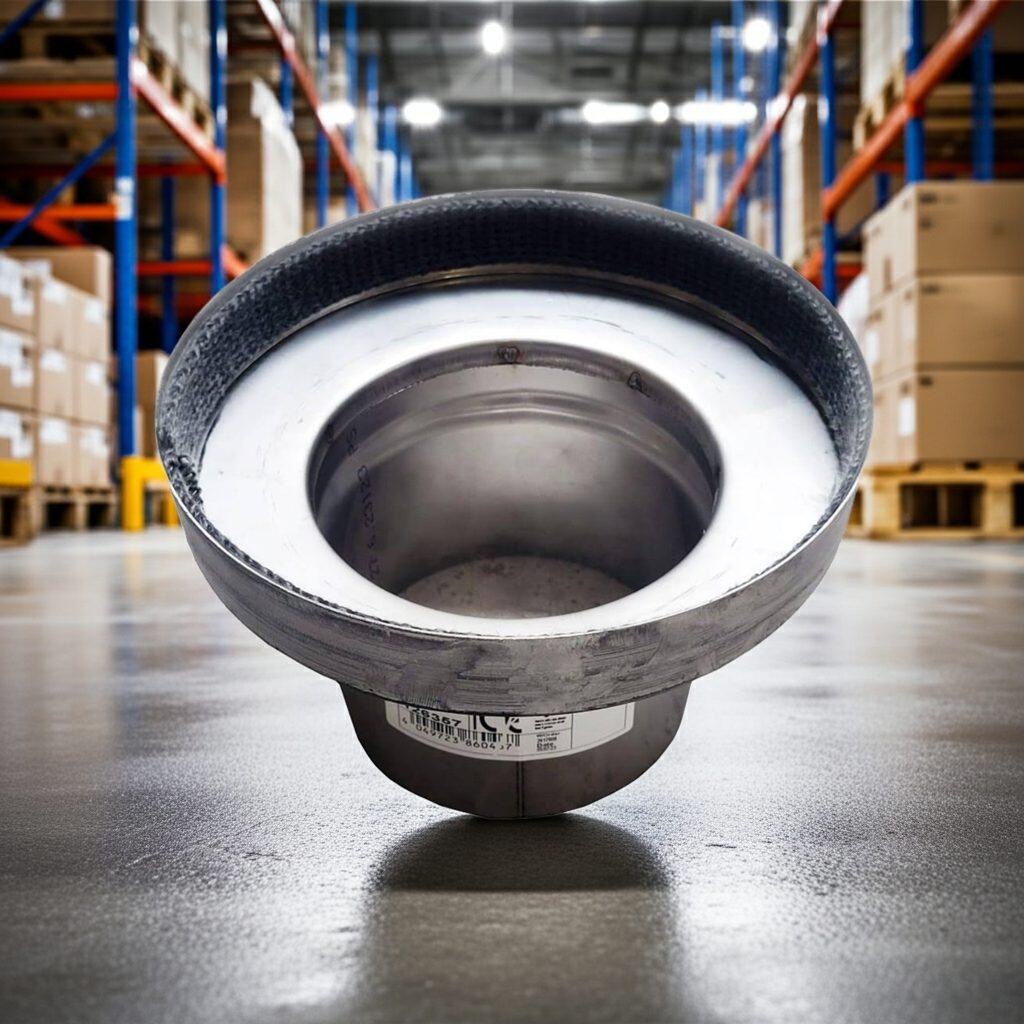
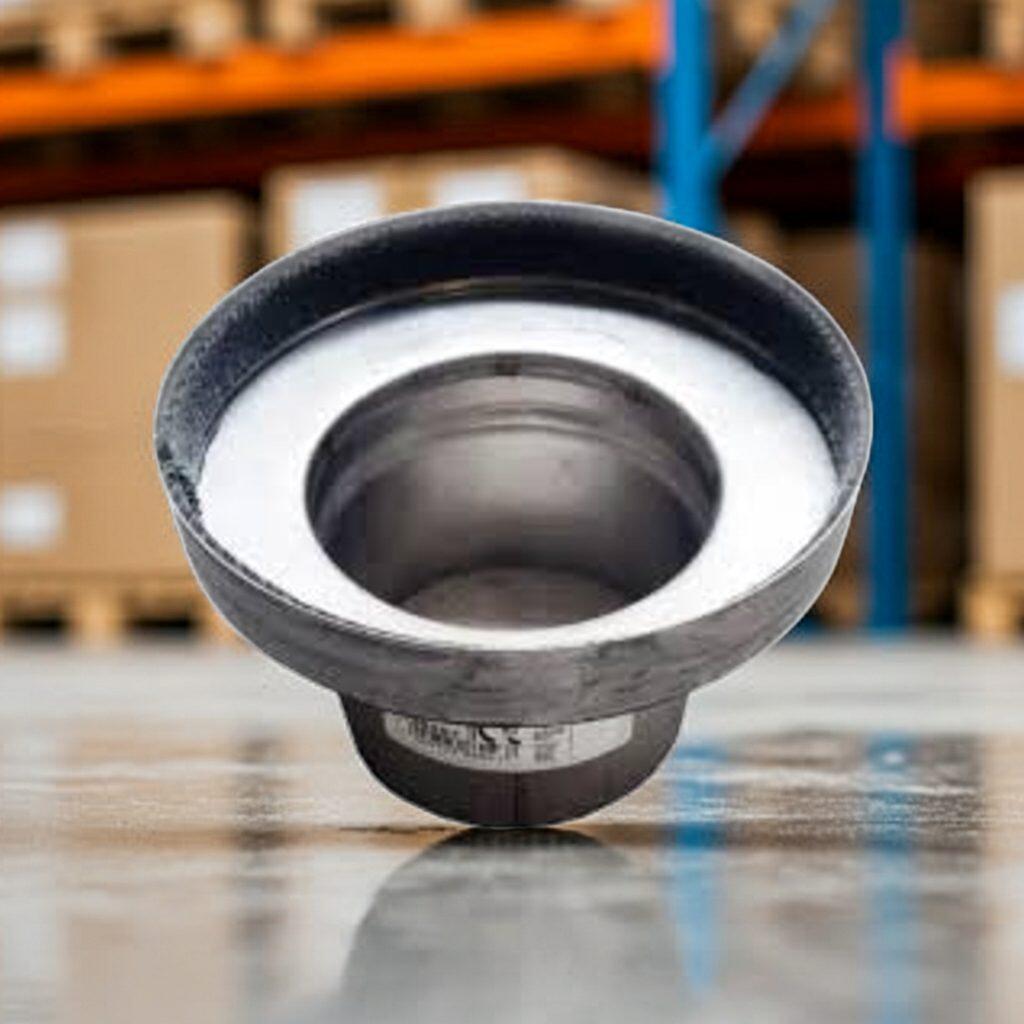
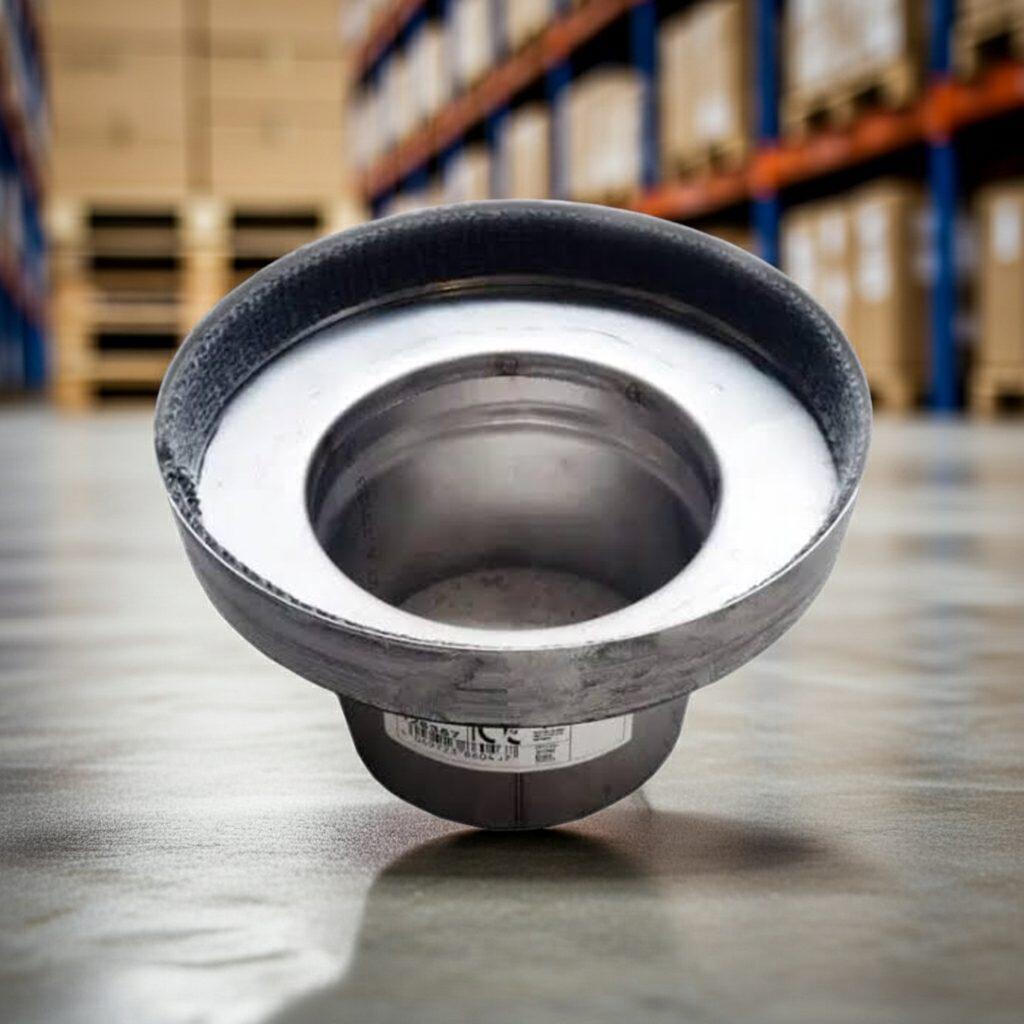
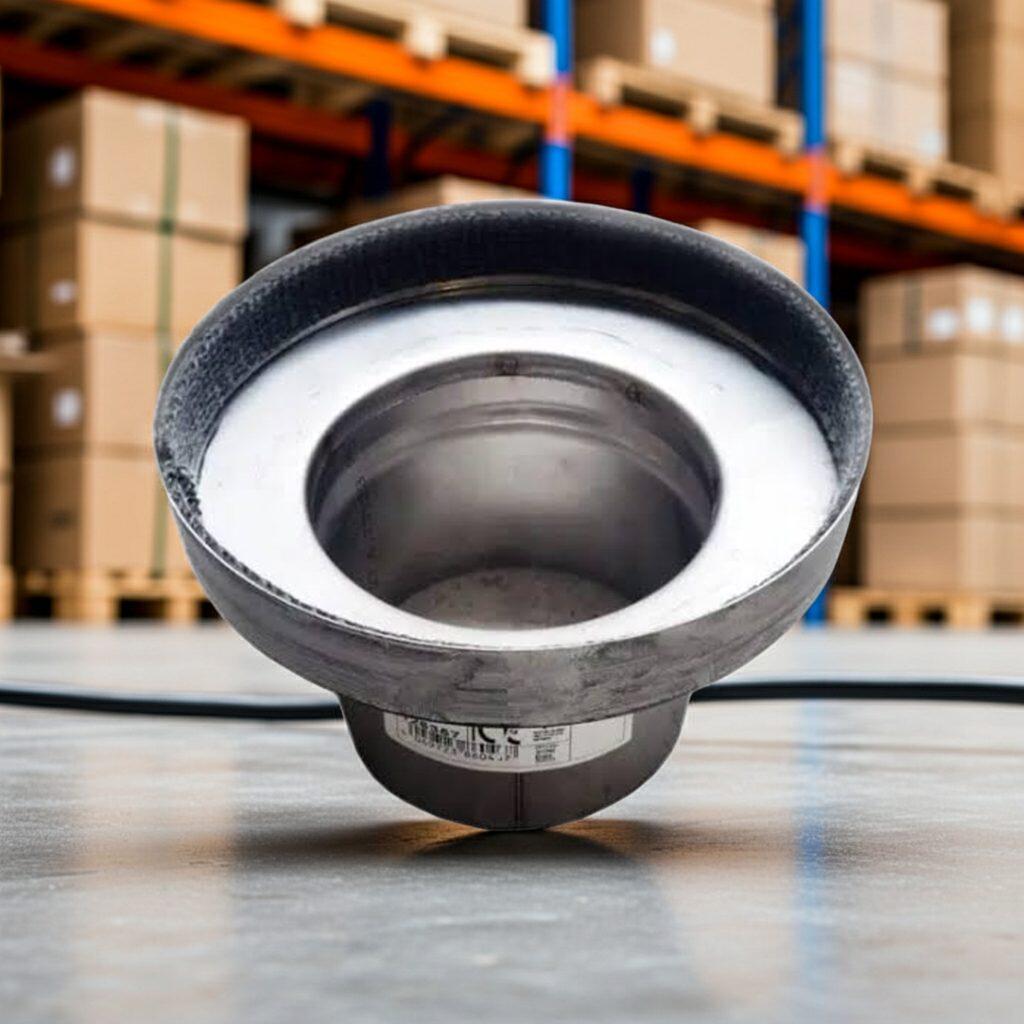
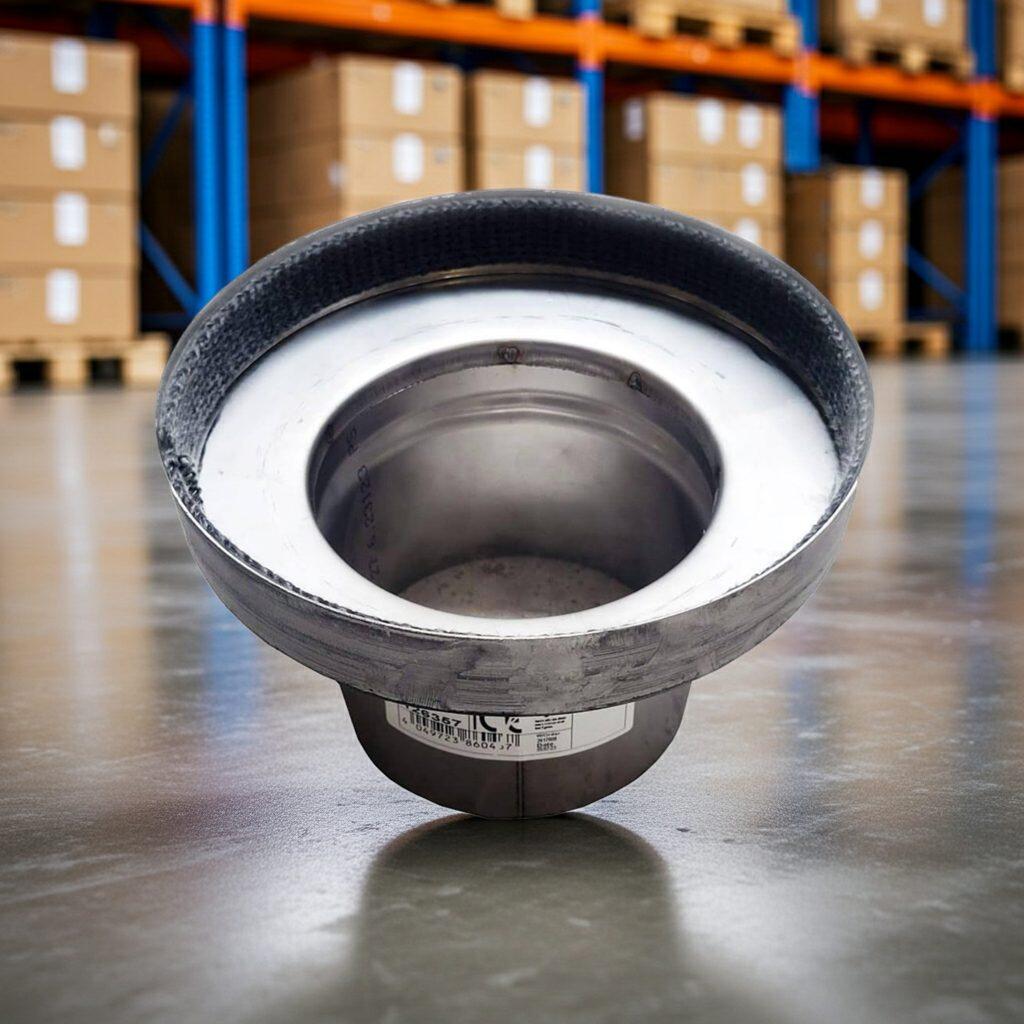
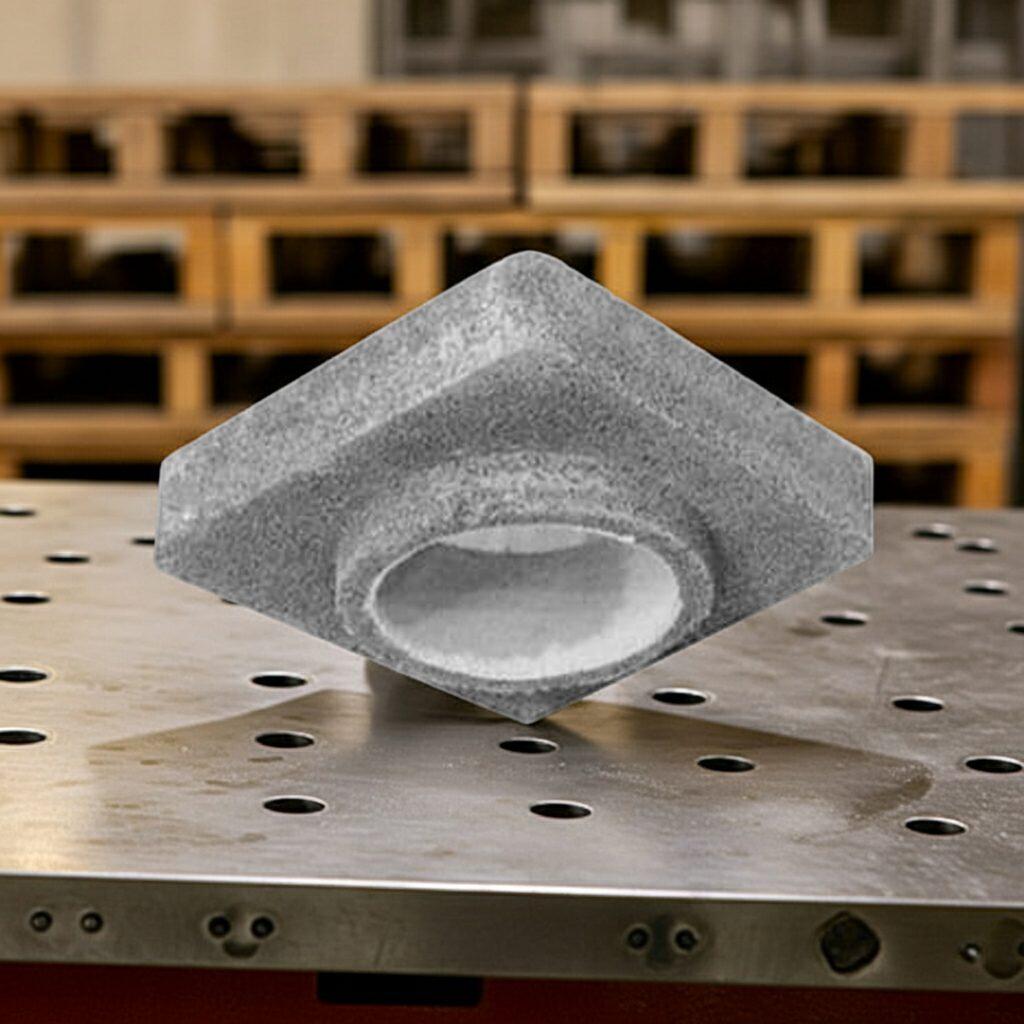
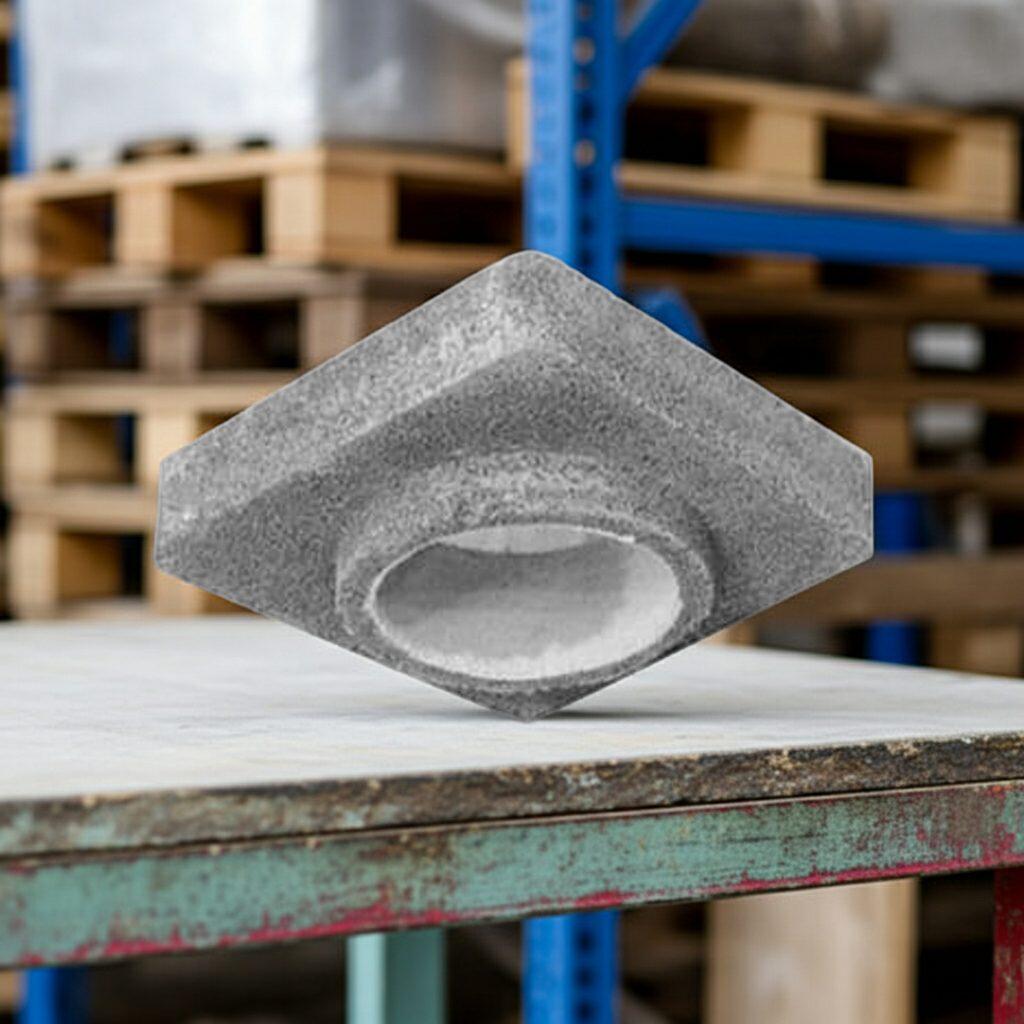
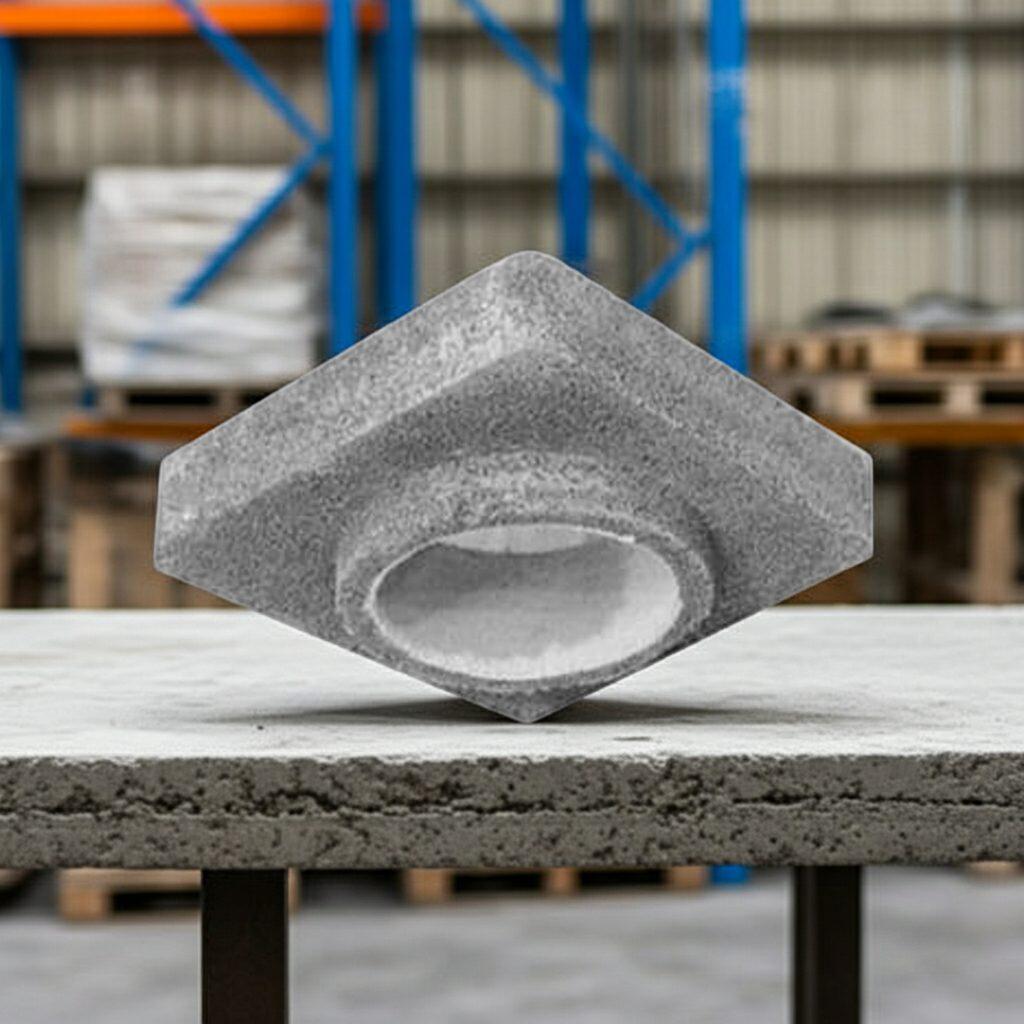
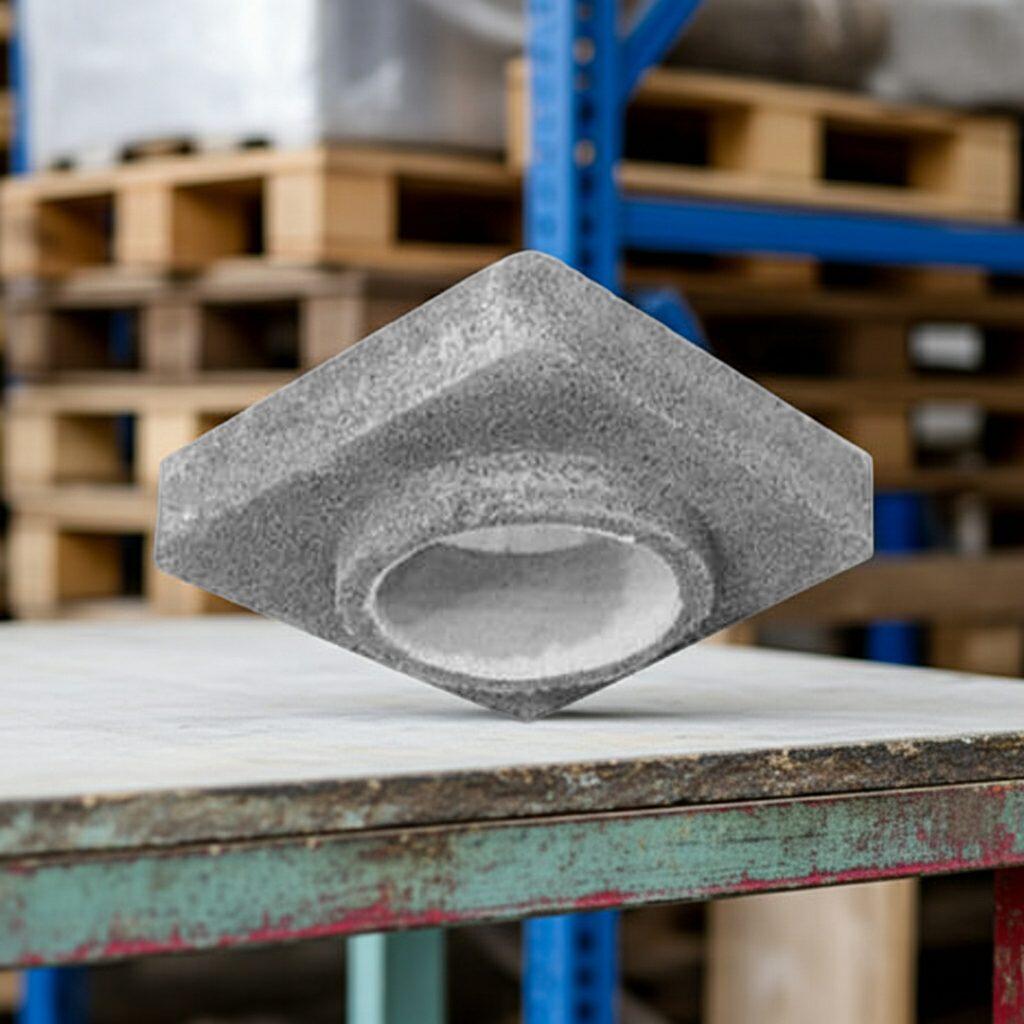
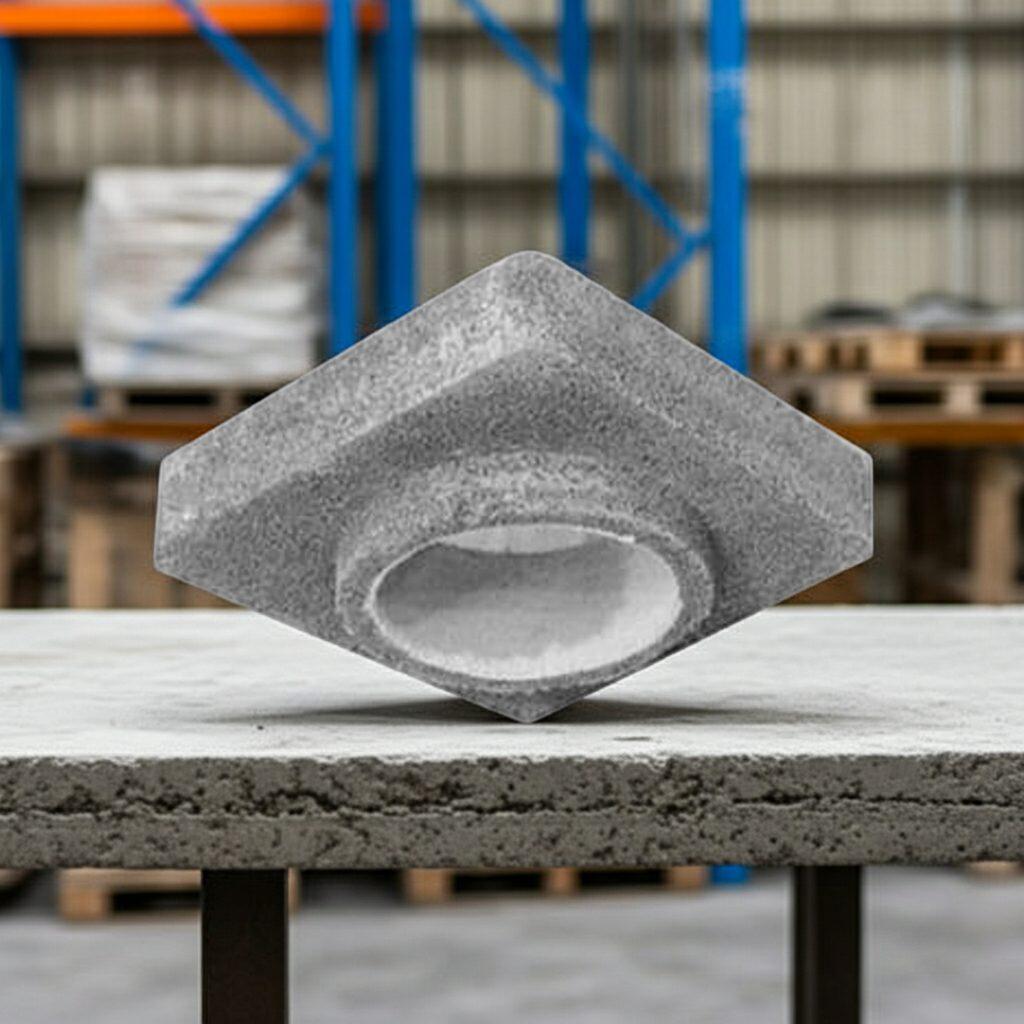
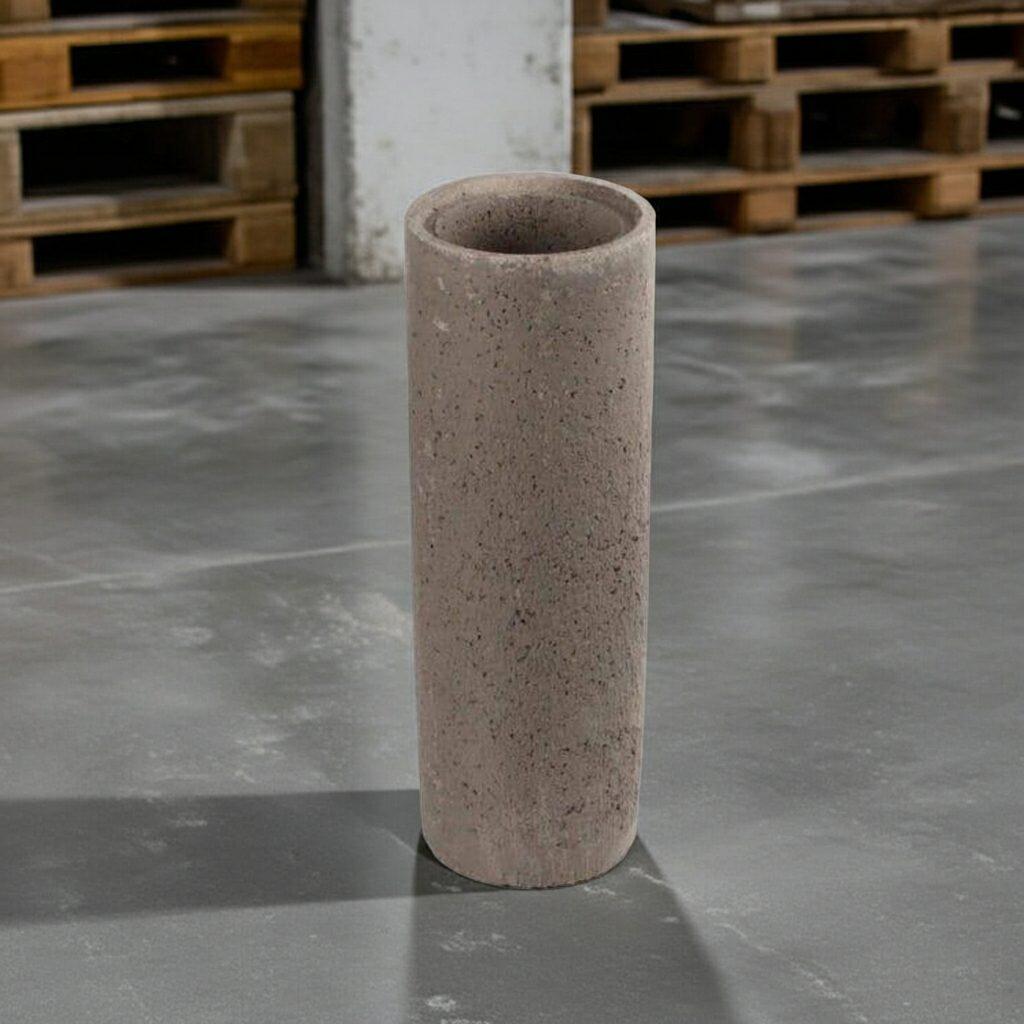
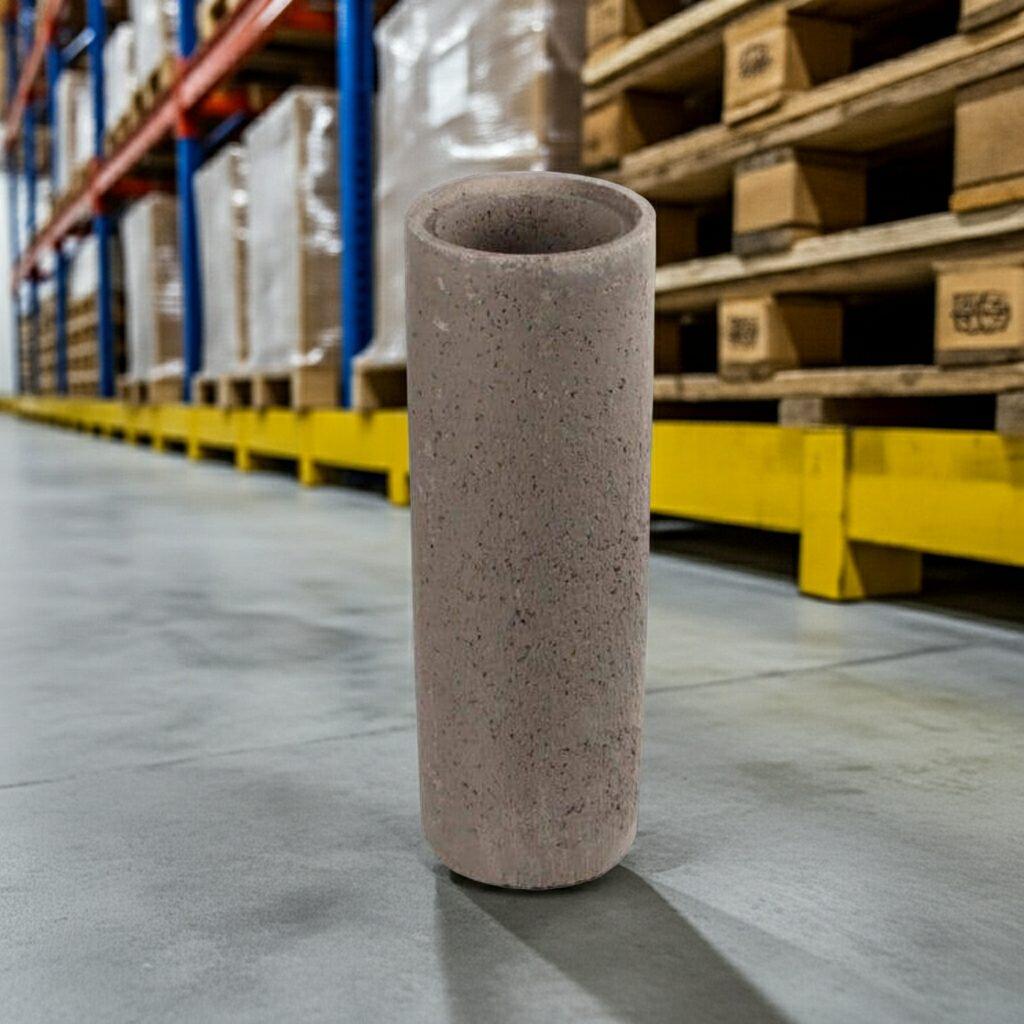
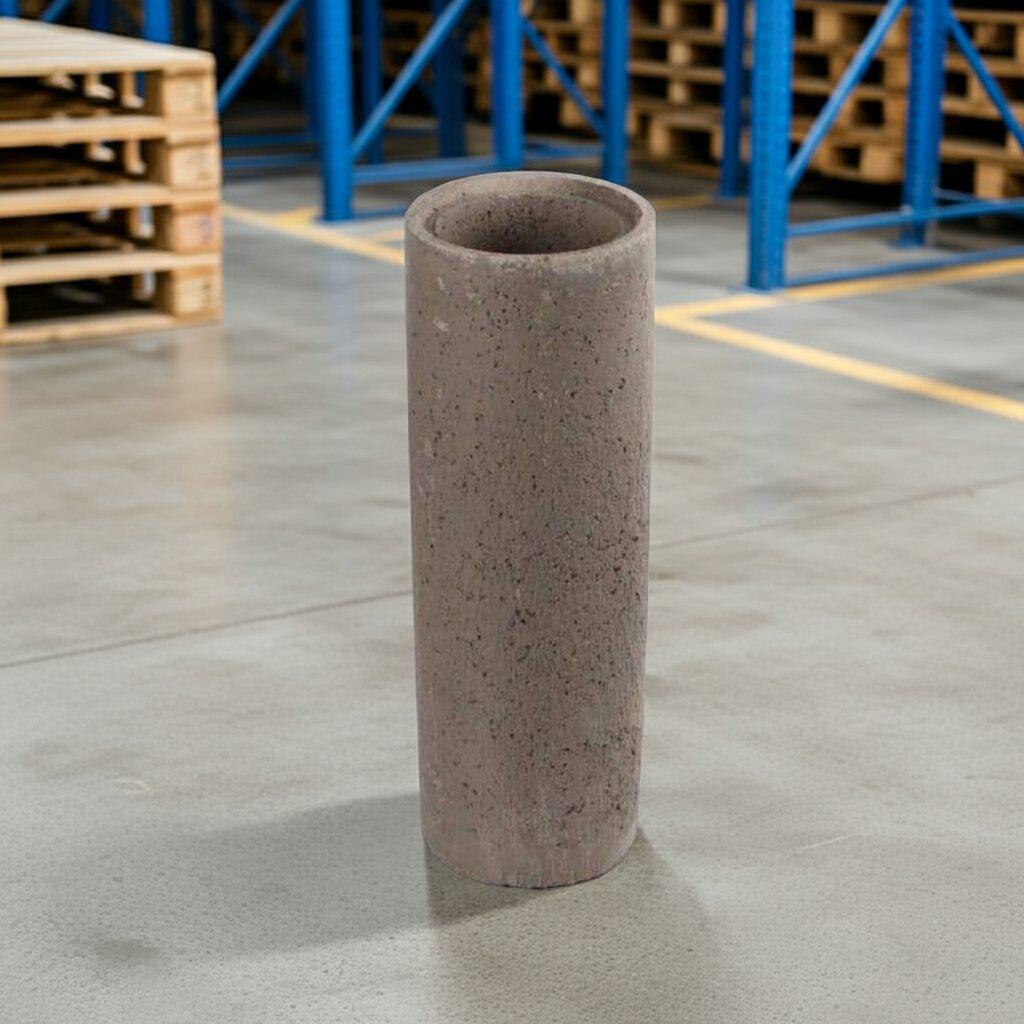
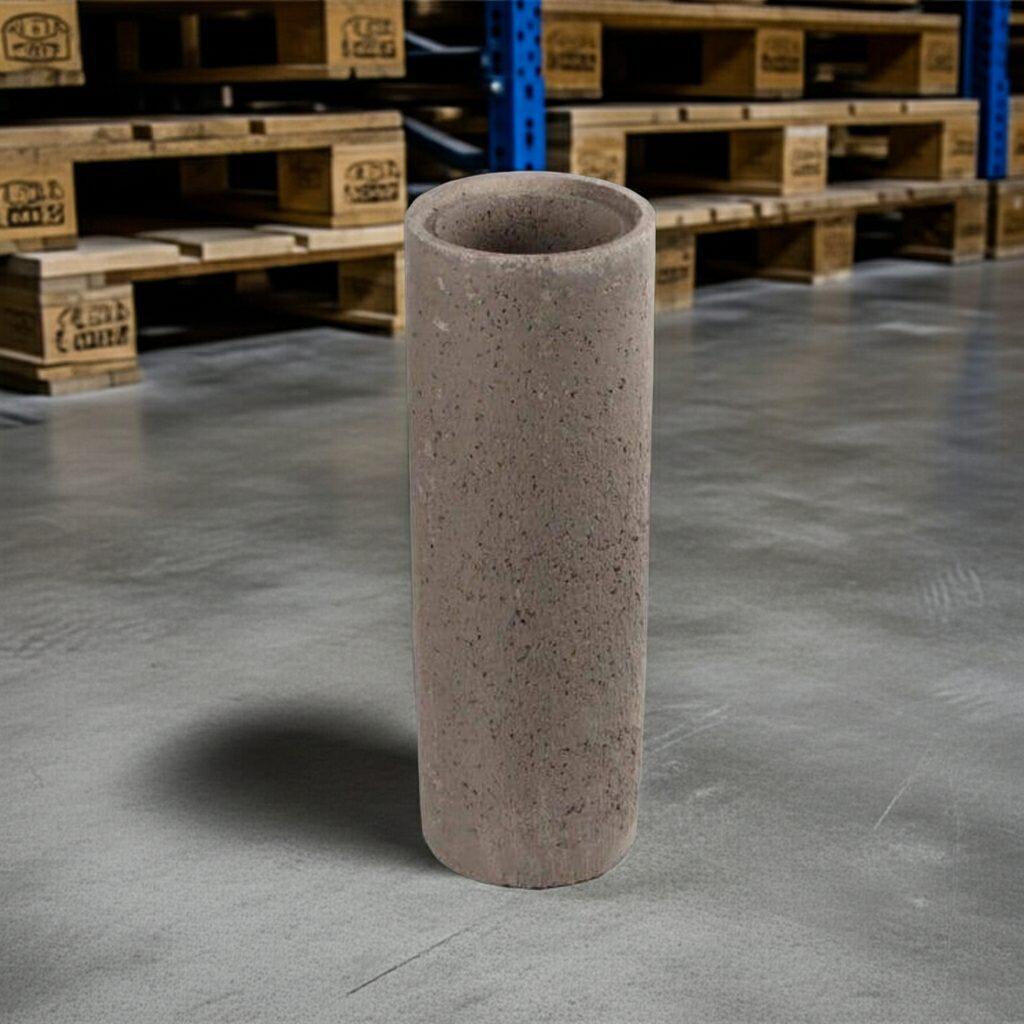
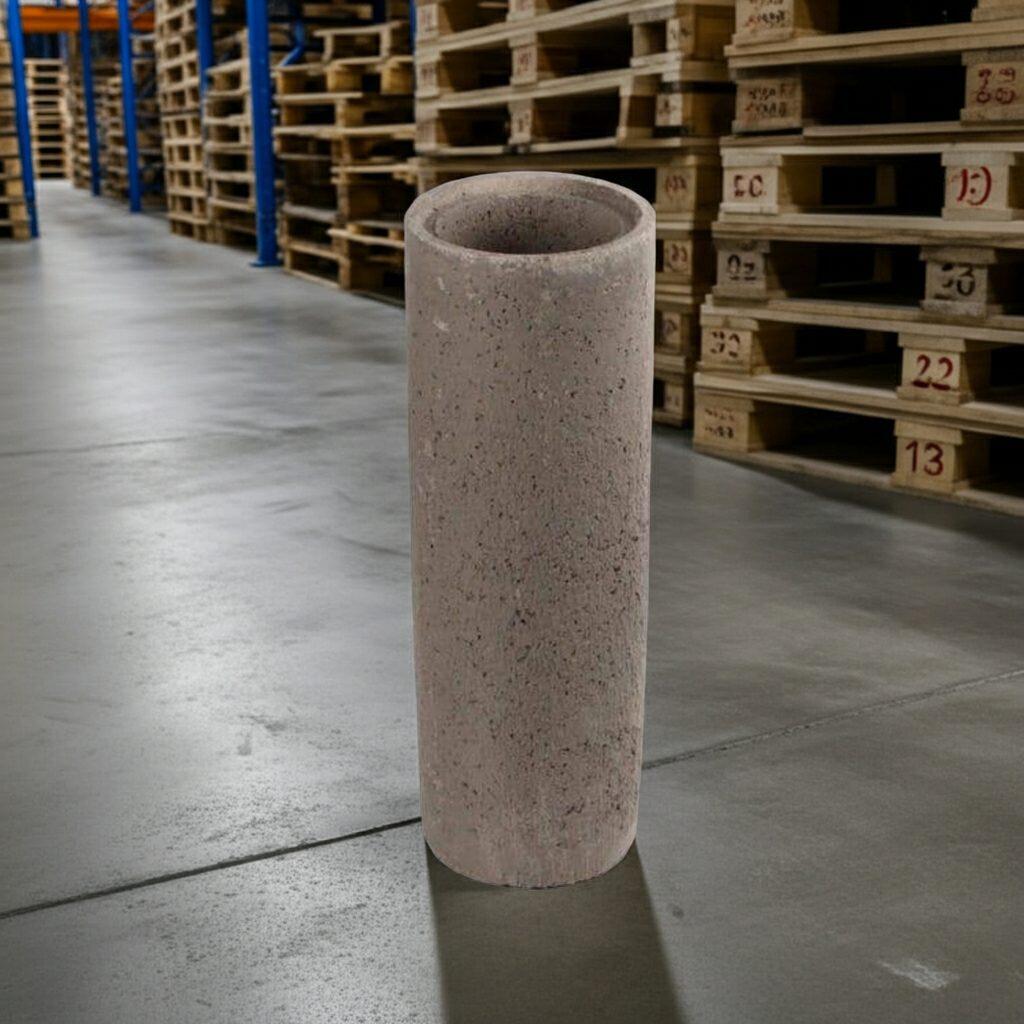
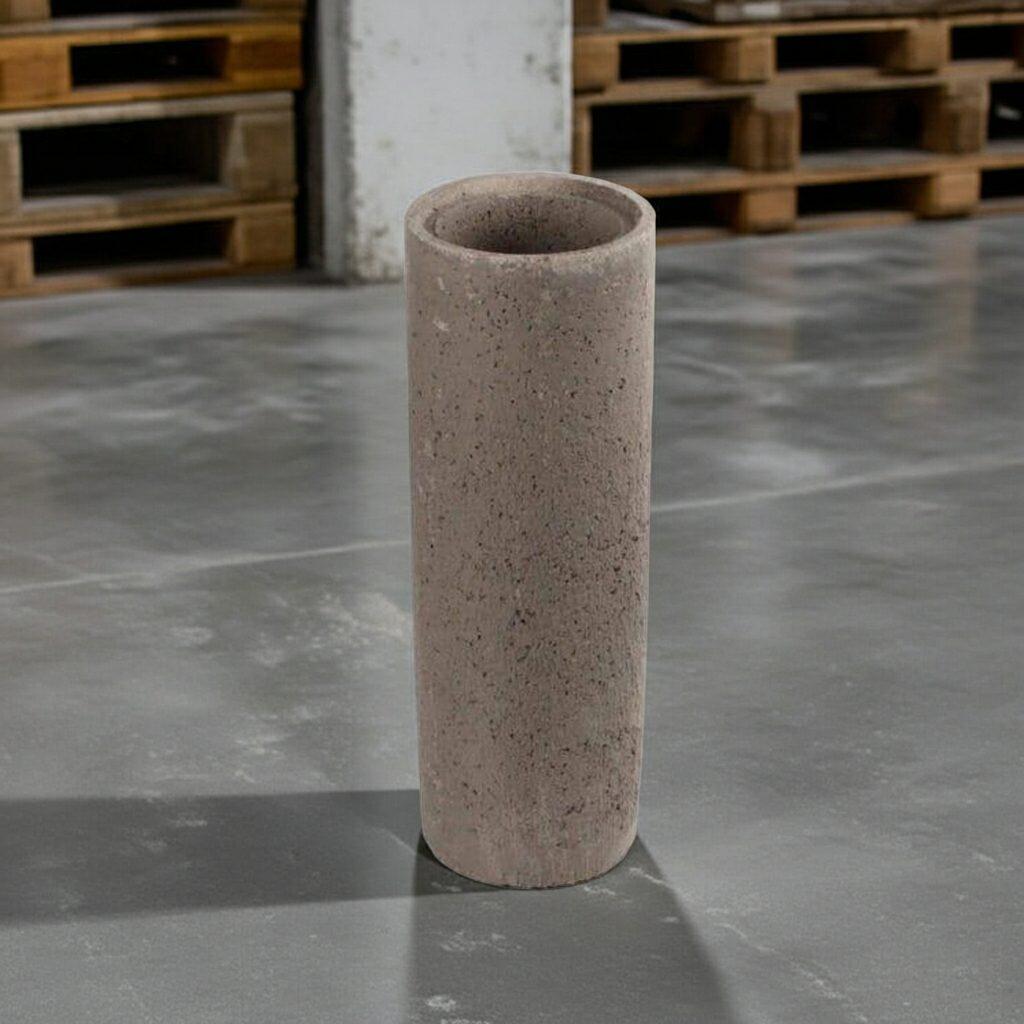
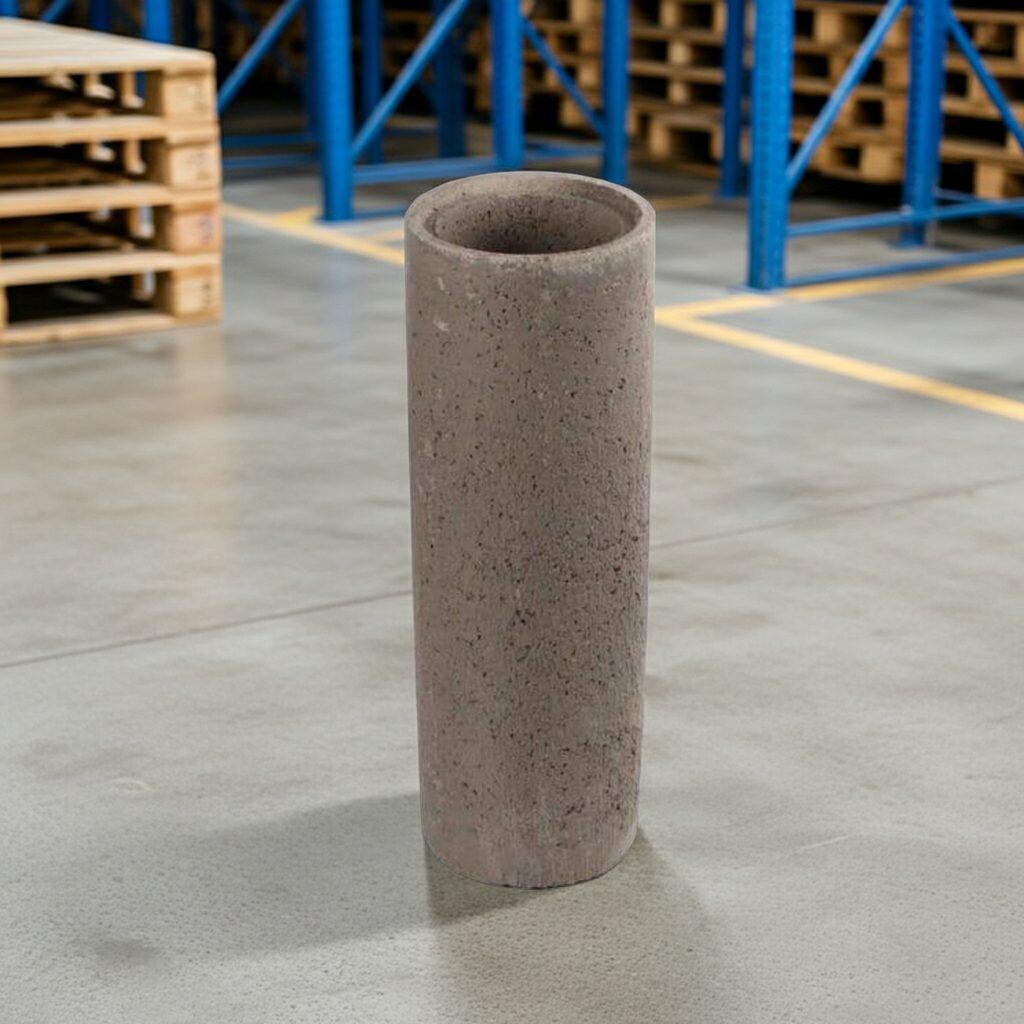
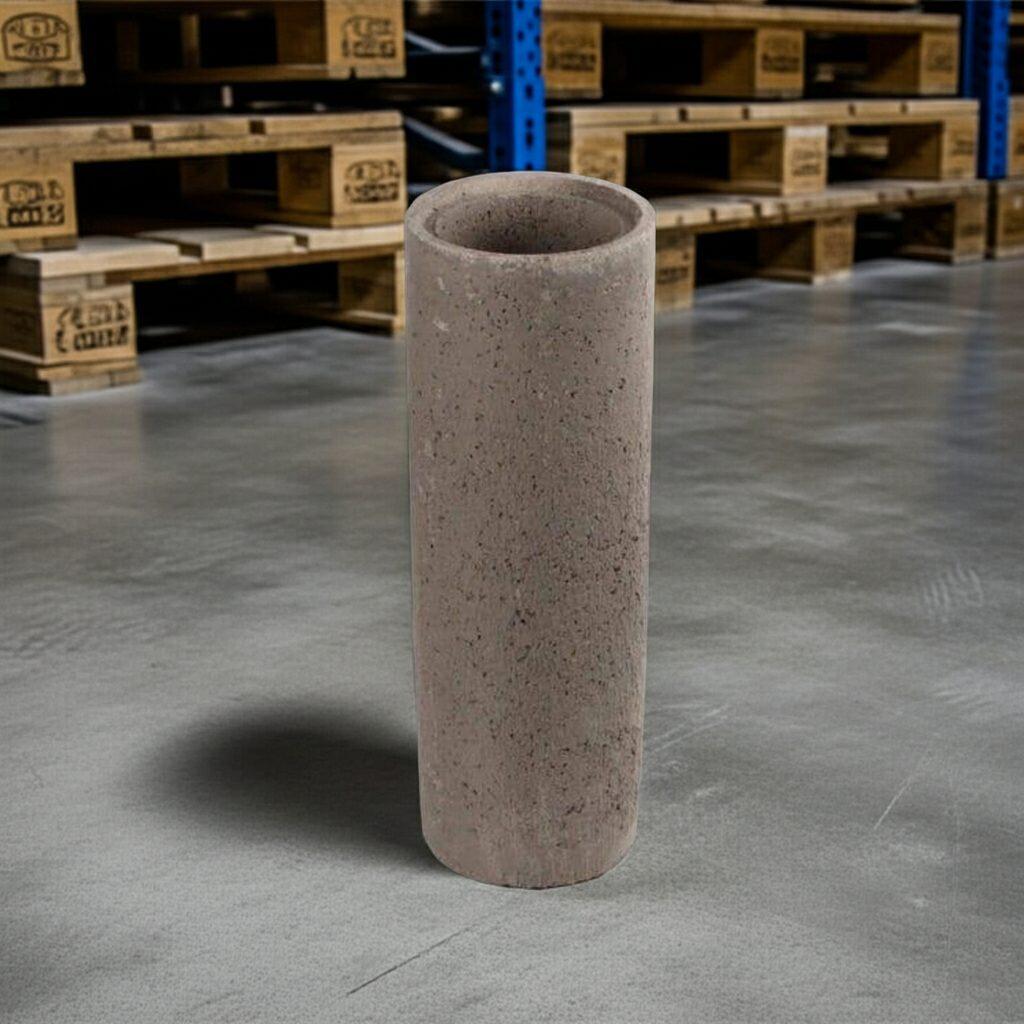
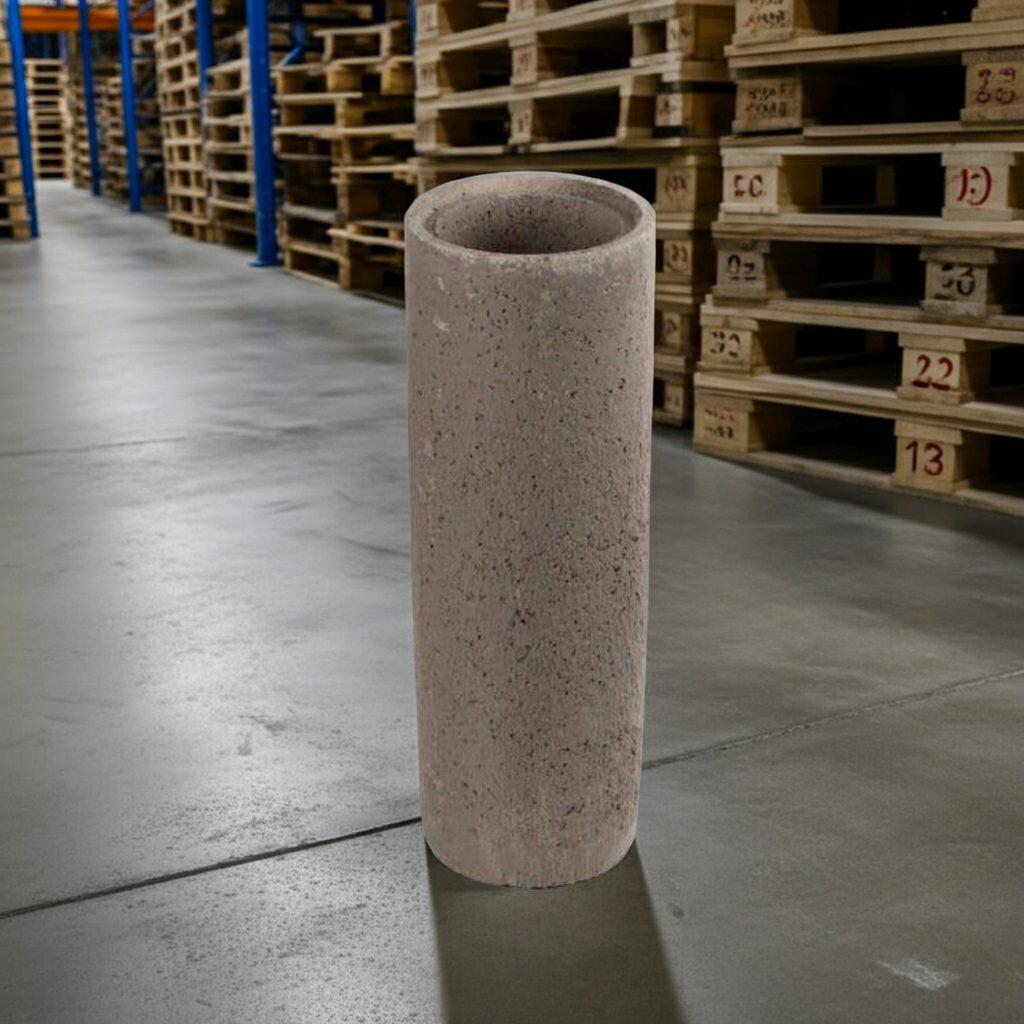
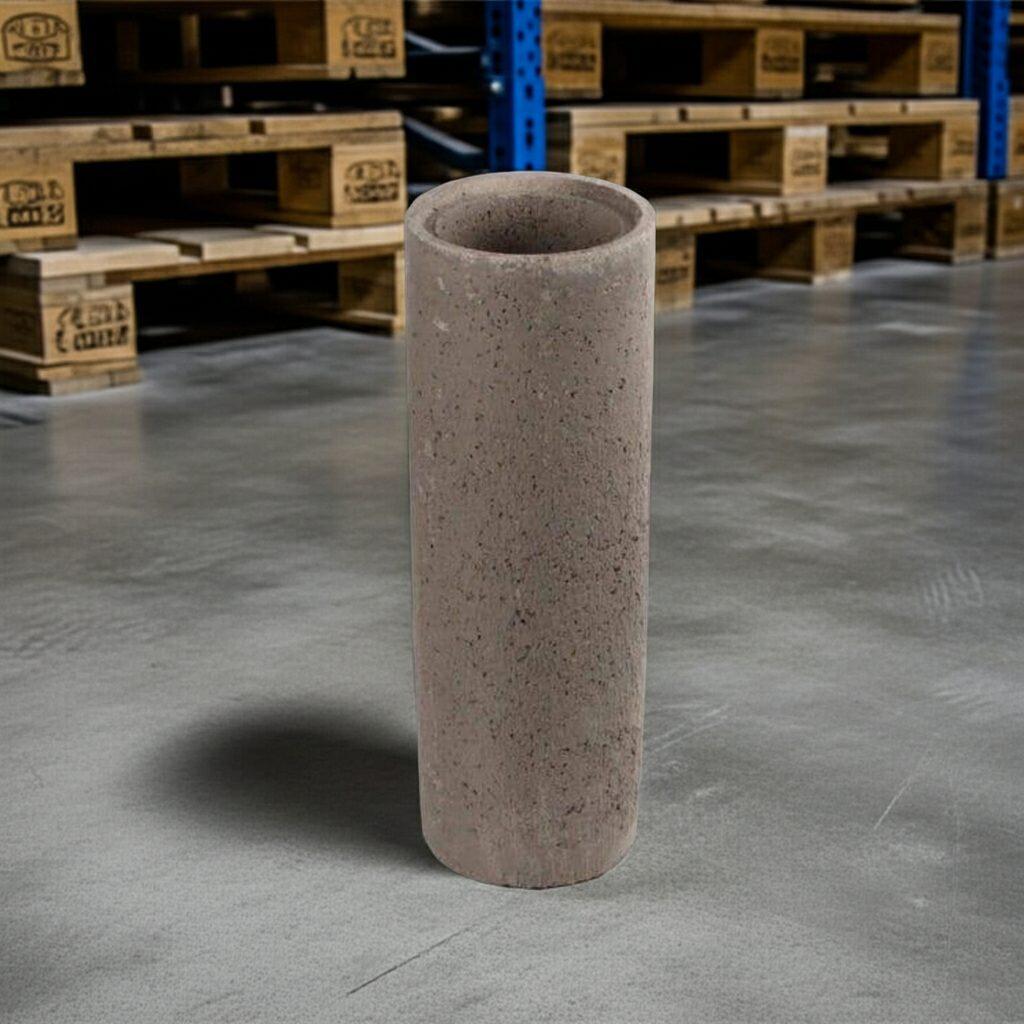
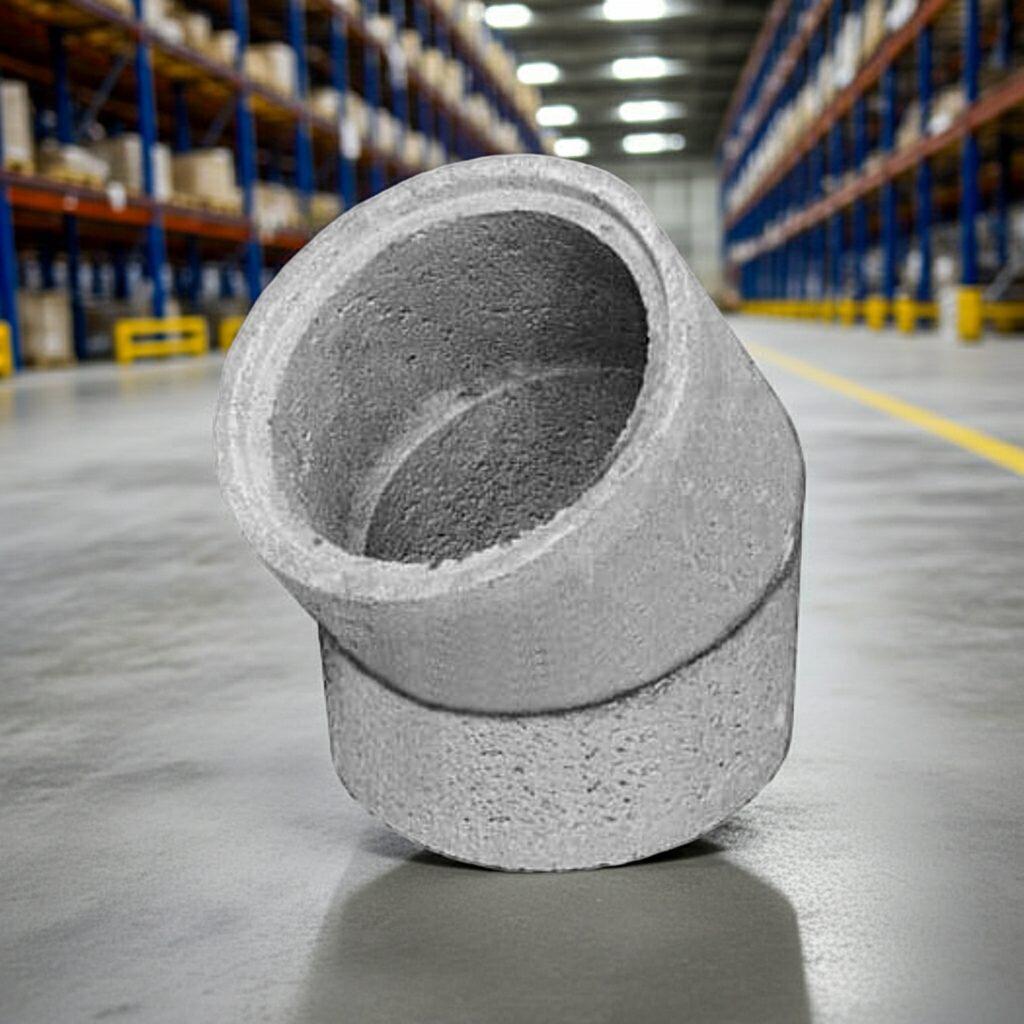
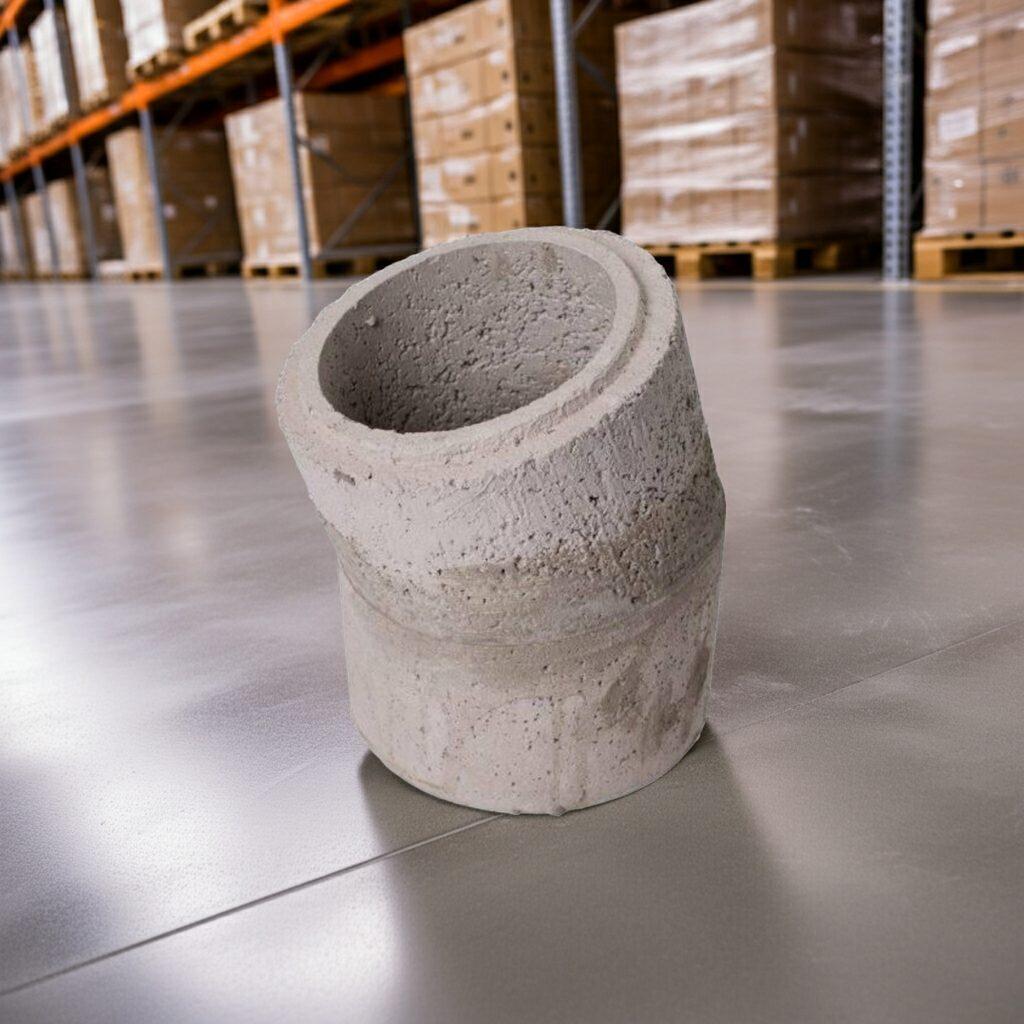
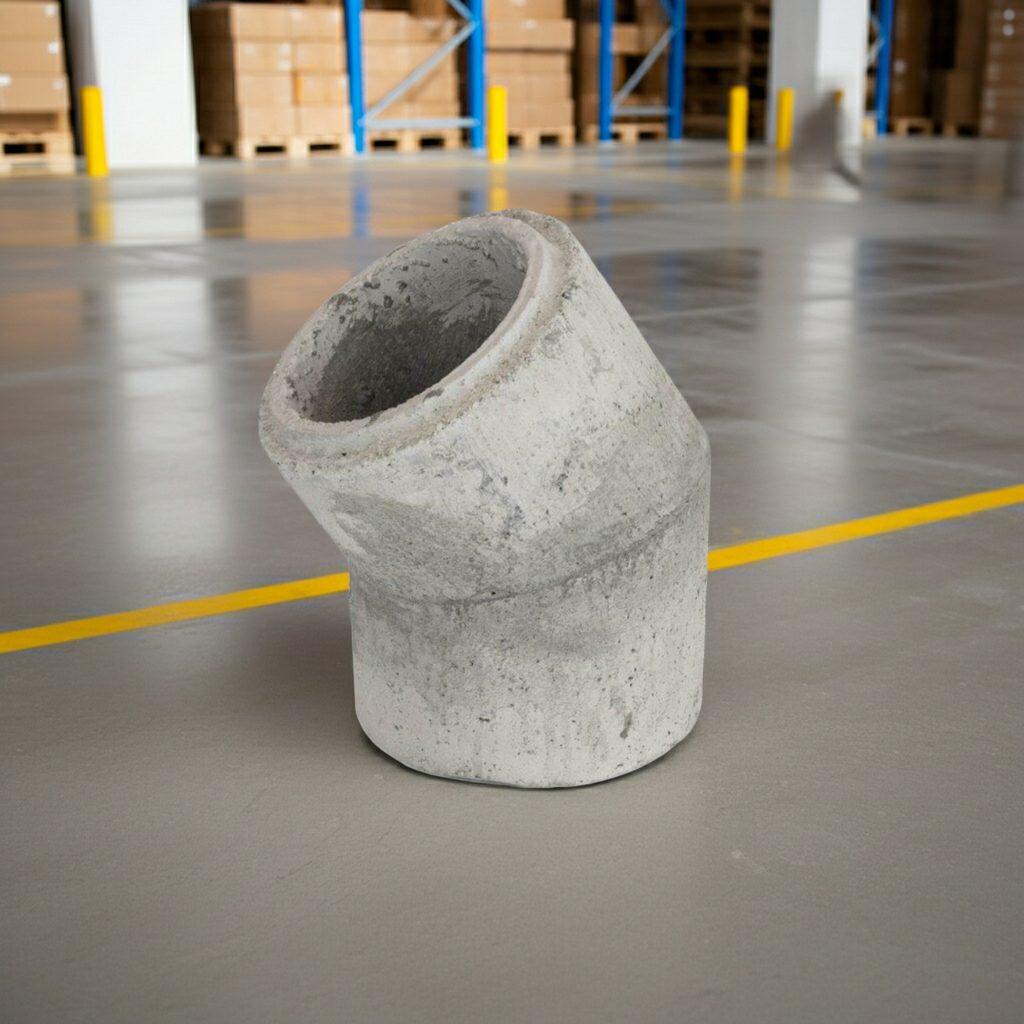
Isokern pumice flues for a new chimney or a reline. These are rebated pumice flue liners, 150mm to 600mm internal diameter, sold singly or as a liner pack.
71 Products


Which pumice flue liner size do I need?
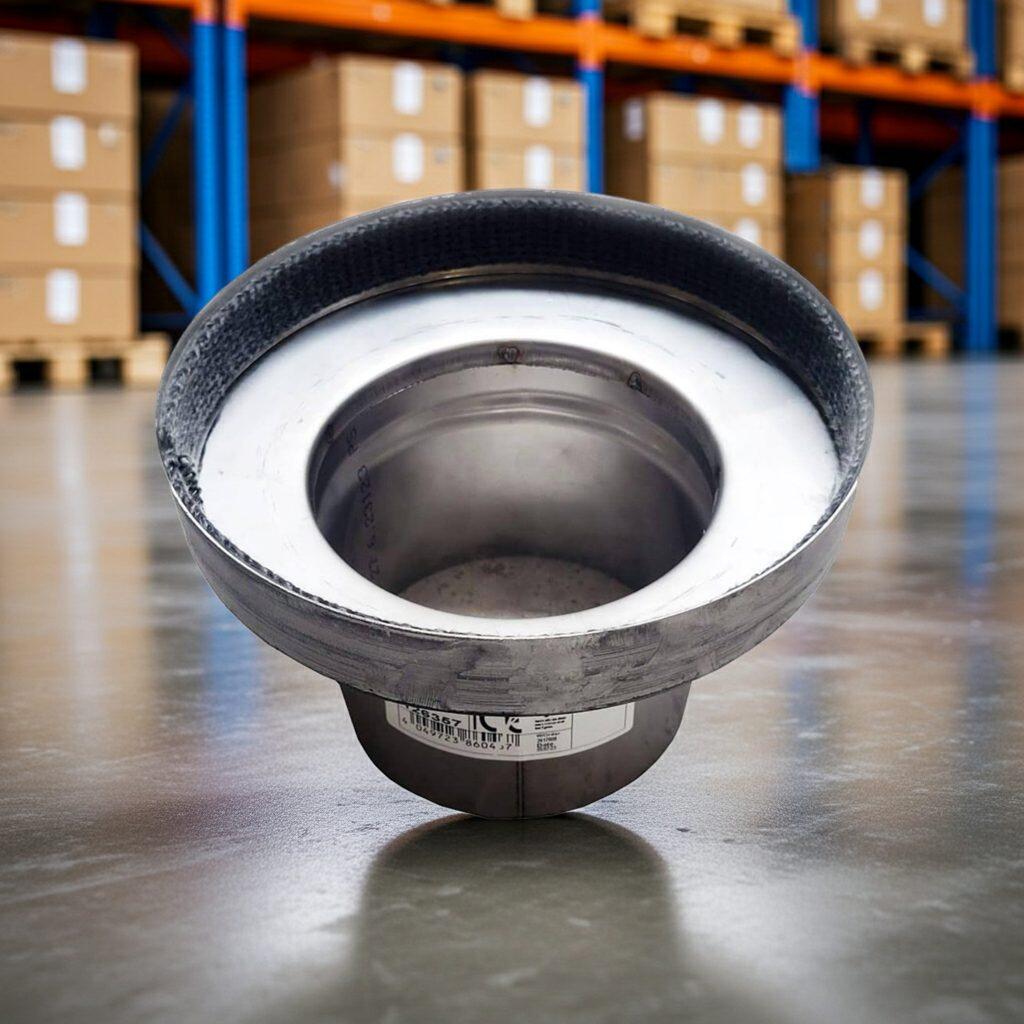
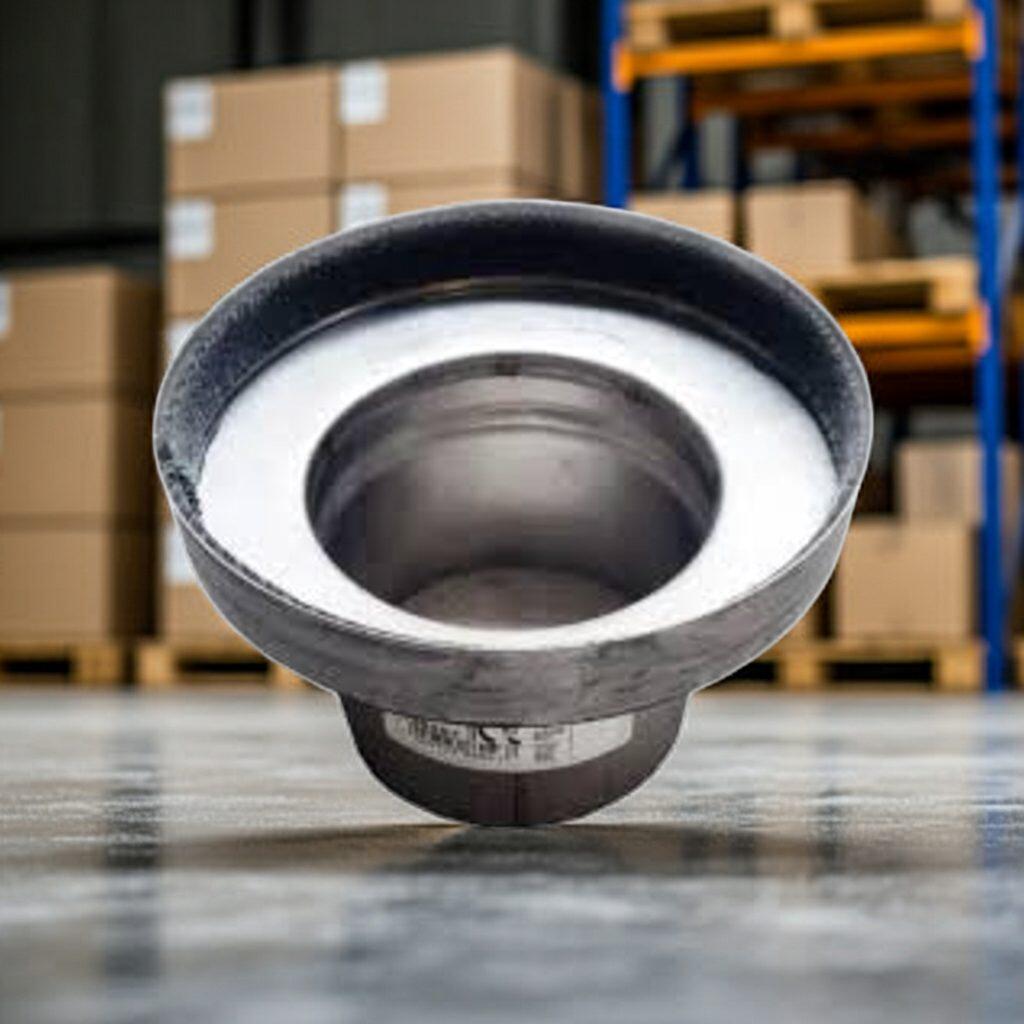
Isokern pumice flue liners are made by Schiedel for masonry chimneys. Each rebated liner is built into the chimney as it rises, surrounded by at least 100mm of brick, block or stone, with a minimum 15mm of LECA insulation between the liner and the masonry. They suit new-build chimneys and the relining of existing masonry chimneys. 150mm is the usual domestic stove size; from 200mm upwards you are normally building for an open fire. Choose your internal diameter:
150mm (6″) liners
150mm ID, 200mm OD, 600mm sections, approx. 8kg.The usual pumice flue for a domestic stove with a 125mm or 150mm outlet.
View175mm (7″) liners
175mm ID, 235mm OD, 600mm sections, approx. 11kg.Covers most freestanding stoves and small Class 1 gas fires with an outlet up to 175mm.
View200mm (8″) liners
200mm ID, 250mm OD, 600mm sections, approx. 12kg.The usual step up for a large stove or a small open fire.
View225mm (9″) liners
225mm ID, 285mm OD, 600mm sections, approx. 14kg.Close to the old brick flue; chosen for open fires rather than a standard stove.
View250mm (10″) liners
250mm ID, 310mm OD, 600mm sections, approx. 16kg.Suits a medium open fire, or a stove with an unusually large outlet.
View300mm (12″) liners
300mm ID, 360mm OD, 600mm sections, approx. 19kg.For a medium to large open fire or a double-sided fire.
View350mm (14″) liners
350mm ID, 416mm OD, 600mm sections, approx. 27kg.For a large open fire; also the flue size for the wider Magnum firechests.
View400–600mm (16–24″) liners
400, 450, 500 and 600mm ID, 1000mm sections, approx. 50–100kg.For a grand open fire, inglenook or feature chimney that needs a large flue.
ViewOrdering a standard chimney height from 4.8m to 9.0m in 150mm to 350mm? A pumice liner pack brings the liners, lip glue, LECA and a chimney notice plate together; the 150mm and 175mm packs also include the stove connection.
Pumice flue liner dimensions and weights
| Internal diameter | Nominal size | Outside diameter | Section length | Approx. weight | Shop |
|---|---|---|---|---|---|
| 150mm | 6″ | 200mm | 600mm | 8kg | 150mm liners |
| 175mm | 7″ | 235mm | 600mm | 11kg | 175mm liners |
| 200mm | 8″ | 250mm | 600mm | 12kg | 200mm liners |
| 225mm | 9″ | 285mm | 600mm | 14kg | 225mm liners |
| 250mm | 10″ | 310mm | 600mm | 16kg | 250mm liners |
| 300mm | 12″ | 360mm | 600mm | 19kg | 300mm liners |
| 350mm | 14″ | 416mm | 600mm | 27kg | 350mm liners |
| 400mm | 16″ | 470mm | 1000mm | 50kg | 400mm liners |
| 450mm | 18″ | 530mm | 1000mm | 60kg | 450mm liners |
| 500mm | 20″ | 590mm | 1000mm | 70kg | 500mm liners |
| 600mm | 24″ | 706mm | 1000mm | 100kg | 600mm liners |
Figures from the Isokern price list. Schiedel certifies the liners to EN 1857 with the designation T600 N2 D 3 G (TÜV certificate 0036 CPR 90219 002). Suitable for all fuel types, but not for condensing appliances.
How to choose the right liner size
The flue size is set by your appliance, so always follow the stove or fire manufacturer's instructions and Approved Document J of the Building Regulations. As a guide from our size ranges:
- Stoves: match the liner to the appliance outlet. 150mm suits a 125mm or 150mm outlet; 175mm suits an outlet up to 175mm; 200mm is the step up for a large stove.
- Smaller outlet than the liner: stainless steel increaser adaptors connect a 125mm outlet to a 150mm liner, 150mm to 175mm, 175mm to 200mm and 200mm to 225mm.
- Open fires: open fires normally start at 200mm, and the size grows with the fire opening. Check yours with our flue size calculator.
- Firechests and gathers: a gather or Magnum firechest may set the flue size for you. The Magnum 500 needs 200mm; the 950, 1100 and 1200 need 350mm.
- Height: for solid fuel and wood burning, Schiedel recommends a minimum flue height of 4.5m above the fireplace opening or the top of the appliance. Shorter flues need a draught calculation to EN 13384-1.
Use our liner calculator for lengths, lip glue and LECA.
Planning the chimney
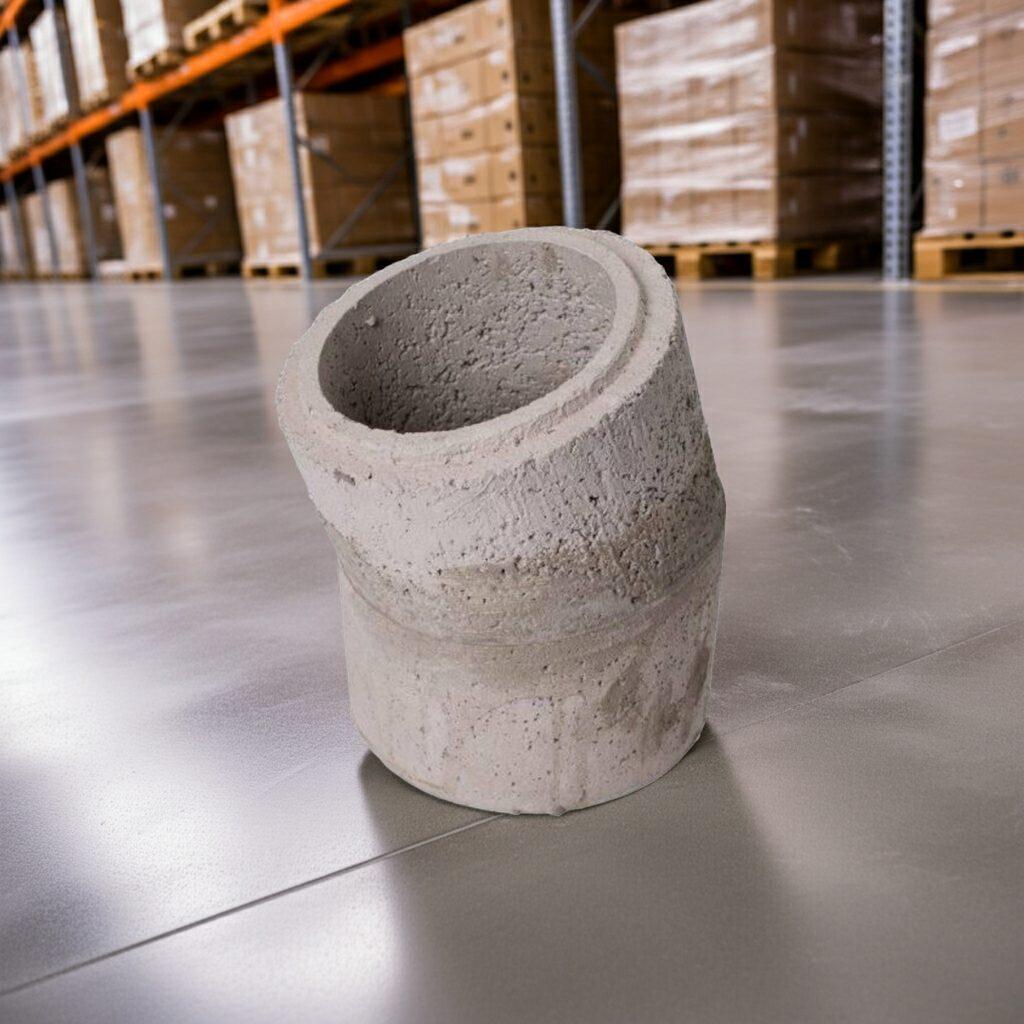
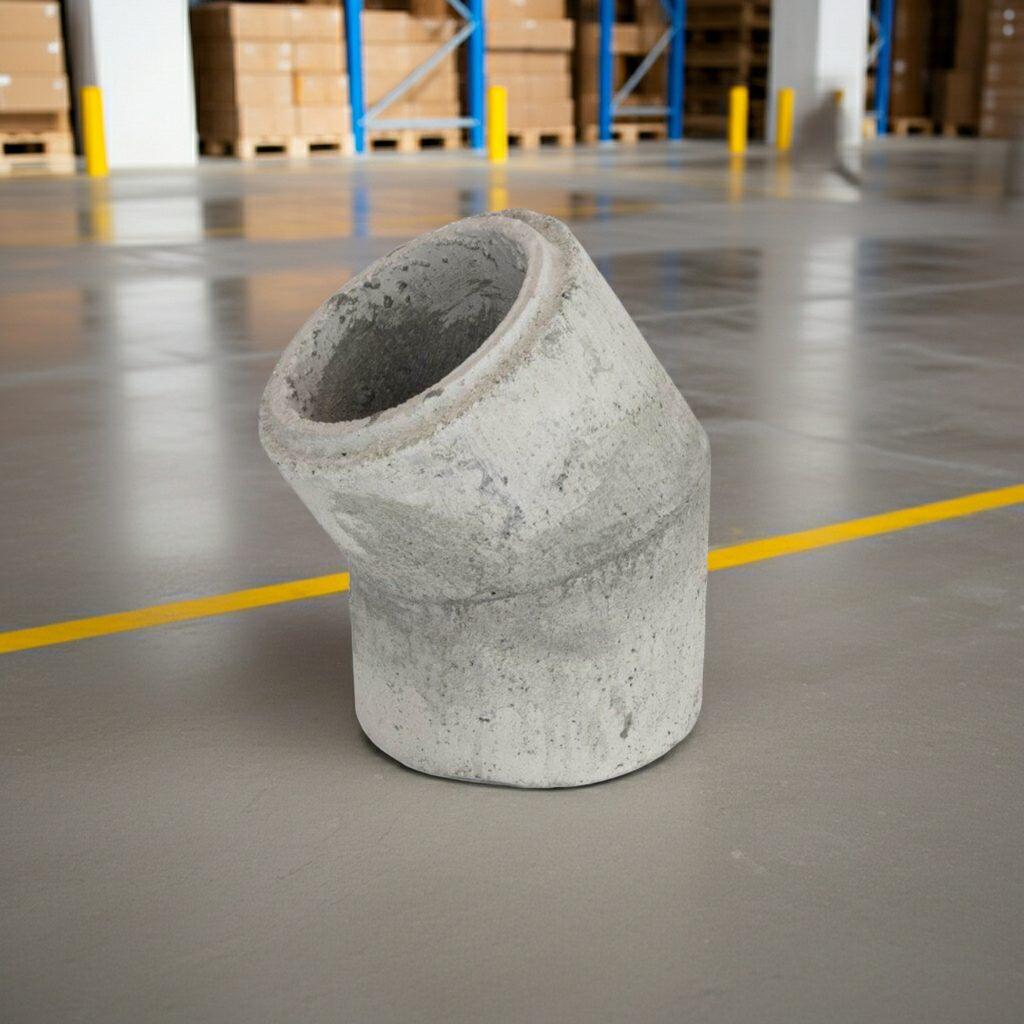
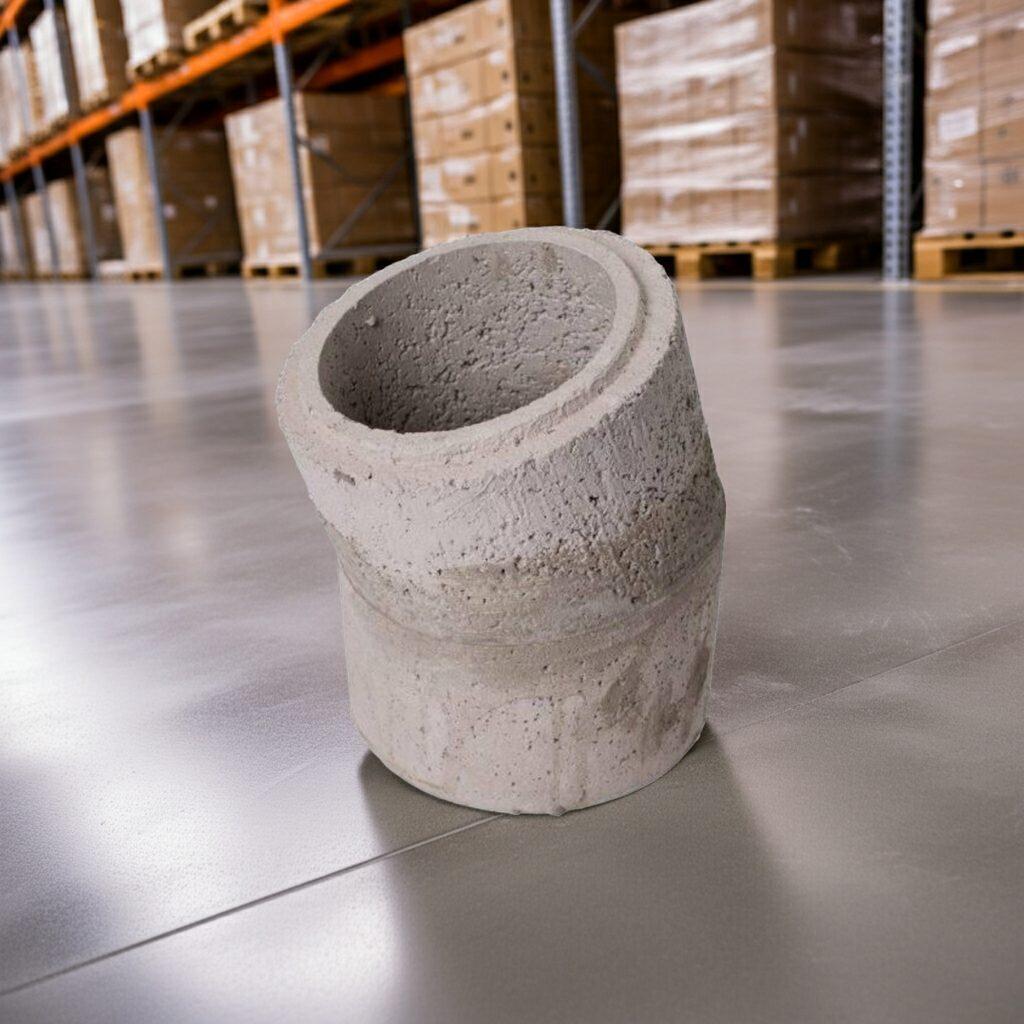
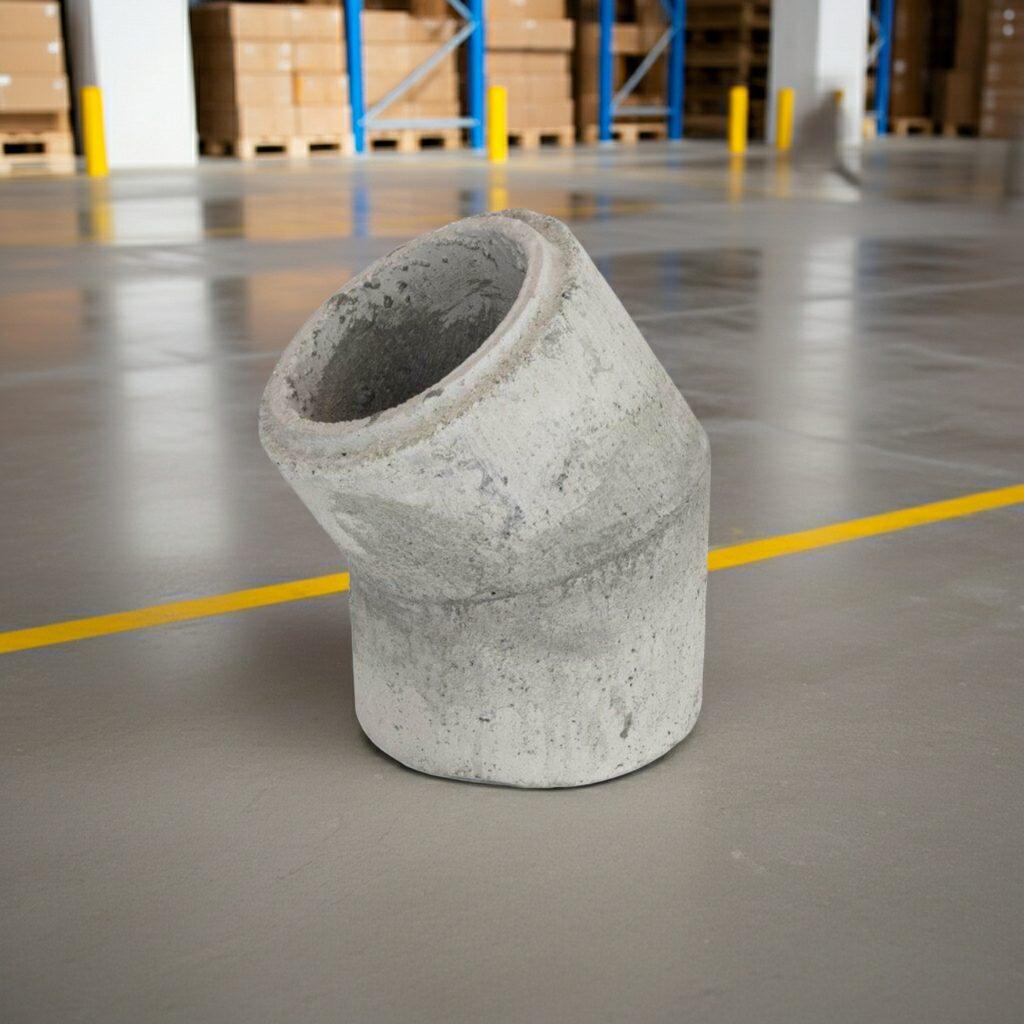
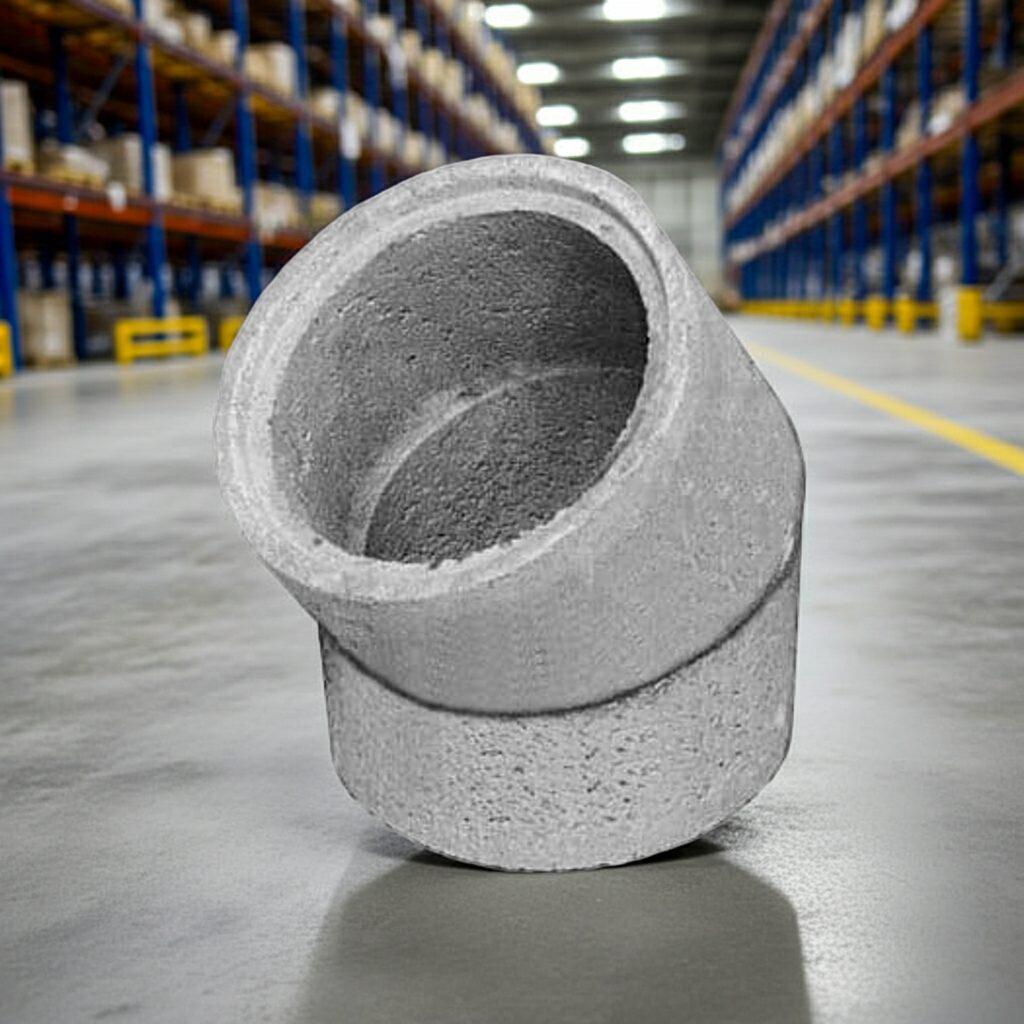
- Keep the route as straight as possible. Where an offset is needed, Schiedel allows a maximum of two complete offsets (four bends) per chimney, at no more than 45° from vertical. Bends must be adequately supported and backfilled with the LECA mix.
- Keep combustible materials 200mm from the inner surface of the liner, or 40mm from the outside of the masonry chimney. Floorboards, skirting boards, dado and picture rails, mantel shelves and architraves are the stated exceptions.
- Fit lead DPCs and flashings to the relevant regulations. Isokern recommends dressing the lead tray up the outside of the flue liners to avoid a weak joint, with weep holes above the tray for drainage.
- Terminate the chimney at the correct height under Approved Document J. Finish it by flaunching (1:3 cement to sharp sand) around the liner or around a suitable chimney pot; approved rain caps help keep water out of the flue.
How pumice flue liners are installed
In outline, from the Schiedel Pumice Liner installation guide:
- Install the liners socket uppermost and seal every joint with Isokern lip glue, applied in 12–15mm beads with the supplied bag. Finished joints should be 2–3mm thick; remove any excess so the flue stays smooth.
- Clad the liners with a minimum of 100mm brickwork or medium density (7kN) blockwork.
- Fill the gap around the liners with at least 15mm of LECA, mixed 20 parts to 1 part OPC cement with a small amount of water.
- Where an offset is needed, cut liners between bends as required. Any cut joint needs a steel collar as well as lip glue.
- Test and check the chimney in accordance with Document J, then complete the chimney notice plate and fix it permanently in the dwelling, ideally near the electricity consumer unit.
- Leave the chimney for at least 72 hours before use, then light only small fires for the first week.
Connection to an appliance that is connected to a gas or oil supply must be made by a Gas Safe or OFTEC registered installer, and Schiedel recommends HETAS registered installers for solid fuel. Outside England and Wales, the equivalent rules are Technical Booklet L in Northern Ireland and Section 3 of the Technical Handbook in Scotland. Read how Isokern pumice flue liners work for more detail.
Technical downloads
Pumice flue liner FAQs
What size flue liner do I need for a wood burning stove?
Follow the stove manufacturer's instructions. As a guide, 150mm is the usual pumice flue for a domestic stove with a 125mm or 150mm outlet, and 175mm covers most freestanding stoves with an outlet up to 175mm.
What size flue liner do I need for an open fire?
Open fires normally start at 200mm, and larger fire openings need a larger flue. Use the flue size calculator with your fire opening width and height; the Magnum 950, 1100 and 1200 firechests need 350mm.
Can pumice liners reline an existing chimney?
Yes. Schiedel states the liners are ideal for new build as well as for relining existing masonry chimneys, provided the liners are surrounded by at least 100mm of suitable masonry with LECA insulation between.
Are Isokern pumice liners suitable for every appliance?
They are suitable for all fuel types, but Schiedel states they are not suitable for condensing appliances.
How much insulation goes around the liner?
A minimum of 15mm of LECA must be installed between the liners and the masonry, mixed 20 parts LECA to 1 part OPC cement.
Can a pumice flue have bends?
Yes. Schiedel allows a maximum of two complete offsets (four bends) per chimney, no more than 45° from vertical. Bends must be supported and backfilled with the LECA mix, and any cut joint needs a steel collar as well as lip glue.
Should I buy single liners or a liner pack?
A liner pack suits a standard chimney height from 4.8m to 9.0m in 150mm to 350mm, with liners, lip glue, LECA and a chimney notice plate together. Single liners suit other heights, extra lengths and sizes from 400mm to 600mm.
How should a pumice flue be swept?
At least twice a year, before and after the heating season, using a medium-density polypropylene brush of the same diameter as the flue. Steel brushes must not be used.
Need help choosing your pumice flue liner?
Speak to our Isokern team on 0113 322 5187 or email [email protected]. Send us your appliance outlet or fire opening and the chimney height, and we will list the liners, lip glue and LECA you need.
Isokern is made by Schiedel; we are not the manufacturer.